Defining Regenerative Medicinal Cannabis: The Full Framework
A verifiable standard for regenerative medicinal cannabis: clean medicine grown in living soil, defined by data, not marketing. Read the framework and weigh in.
David King
7/7/202647 min read
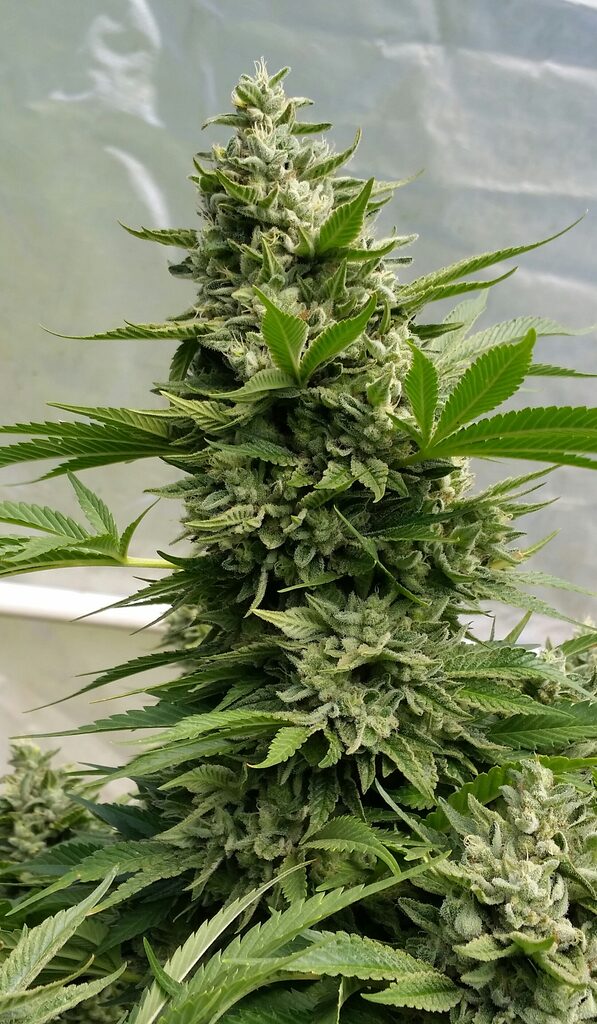
Defining Regenerative Medicinal Cannabis: The Full Framework — A Community Discussion
David King | Surprise Valley Agroecology LLC Draft for Community Input — last updated July 11, 2026
I’ve been working on a document that attempts to put in writing what medicinal cannabis farmers have been focused on since the 1970s. Not inventing something new — codifying what’s already been happening on the ground for decades. The farmers who developed these methods did so through direct observation, shared knowledge, and a commitment to producing medicine they would give to their own families.
Who this document is being written for: I am being asked to define regenerative medicinal cannabis for multiple audiences — clients, federal-level committees, patients and caregivers establishing purchasing parameters, farmers who want to verify their operations meet industry standards and score well on grant applications, dispensary buyers and educators, processors and extractors who need to understand what they are buying and why formulation decisions affect delivery, researchers studying production-efficacy correlations, and medical professionals recommending cannabis who need production literacy. Cannabis farmers have worked behind a green curtain for decades. As the industry assimilates into legal status at the federal level, it needs to establish production standards and integrate into the state and federal funding streams and educational pathways now available to it.
This effort is part of a broader shift happening across agriculture, medicine, and regulatory policy. Consumers, courts, and government agencies are increasingly requesting qualitative and quantitative analysis instead of accepting narratives alone. “We use organic practices” is a narrative. Soil test data, biological assessments, terpene profiles, and documented production protocols are analysis. This standard and the questionnaire that accompanies it are built to meet that demand — verifiable data in place of marketing claims.
What’s New in This Version
Last updated July 11, 2026. This is a living draft; here is what has changed most recently.
Soil chemistry now leads with agency and university sufficiency standards (USDA-NRCS CPS 590, land-grant Cooperative Extension); mineral-ratio management is one optional documented method, not a mandate.
Functional soil is defined by what it does — read against a regional baseline and trajectory — rather than one national number.
Do No Harm now includes a document–assess–remediate protocol for the rare cases a symptomatic treatment is used.
Transparency and open data expanded: a patient-facing data sheet and advisory, plus open-sharing of successful protocols framed as the regenerative contribution to the patient community.
Animal welfare clarified as applying only where animals are used — not required.
Added the labeling / Monsanto v. Durnell context and the permitted-inputs approach.
Defining Our Labels: A Forward-Looking Principle
One development worth the community’s attention concerns how our products are labeled. In Monsanto v. Durnell, the Supreme Court held (7–2, June 2026) that federal pesticide law (FIFRA) preempts state failure-to-warn claims against an EPA-approved product label; the broader principle is that a federally approved label can define the limit of a manufacturer’s liability — in effect, once a federal agency signs off on a label, that label becomes the controlling standard. The April 2026 DOJ order placing state-licensed medical marijuana into Schedule III has begun attaching federal requirements to state licensees, including labeling. Whole-plant cannabis is not FDA-approved as a drug, so full federal labeling preemption is not in effect today — but the framework is arriving in stages.
The point is not alarm. It is that this may be an avenue available to us, and one worth preparing for. If cannabis regulation continues moving in this direction, we will need to define our labels in more detail — and it is better to define that principle ourselves, now, and begin incorporating it into our work, than to inherit a weaker industrial standard by default. Building safety into the definition of the product, rather than relying on after-the-fact litigation, is simply prudent.
This is the defining principle behind the whole effort: the label is becoming the standard. When a federal definition governs what may be sold as medical cannabis, whatever is written into that definition is the protection patients actually receive — no more, no less. The place to secure a high standard is therefore the label itself, and the people best positioned to define it are the ones who grow the medicine. If we define a high, verifiable standard now — as a community, on the record, backed by data rather than marketing — that definition can be adopted into the label by reference, the way organic certification and other consensus standards are already written into regulation, or carried as a certification mark the community controls. A rigorous standard authored by the people who grow this medicine is far more likely to become the label than a weaker one written to fill the vacuum. We define it high and define it now, or we inherit whatever is written for us.
This matters most for the patients who carry the greatest exposure. A “trace” residue on flower is concentrated several-fold in a full-spectrum extract, and some patients take that concentrate daily for months and years. Pediatric epilepsy patients — children with Dravet and Lennox-Gastaut syndromes — take daily full-spectrum cannabis oil for years, often from a very young age; cancer patients in long remission and chronic-pain patients do the same. For a developing or immunocompromised body, the level of detail on a label is not academic.
There is a second reason to put our methods on the record. For decades, cannabis farmers have worked behind a green curtain, and knowledge developed out of view carries no formal standing. Documenting these methods openly — the practices, the protocols, the production standard — puts them on the public record as prior art, which helps keep others from patenting techniques the community already developed and using those patents to restrict the growers who originated them.
And if this regulatory change never fully arrives, the document loses nothing: it still gives the industry a self-defined standard, and it still helps patients, caregivers, and manufacturers know what to ask for when buying cannabis. The work is valuable either way.
The Testing Trap: Why “It Passed the Panel” Is Not Enough
There is a deeper problem underneath the residue question, and the community needs to see it clearly.
The way we currently police contamination is a list: the state names specific pesticides, and labs test for those. A banned-substance list is a race you always lose. Every named list tells the next chemist exactly what isn’t tested for. When we told growers to stop using one pesticide, they switched to one we weren’t screening.
The numbers tell the story. California requires testing for 66 pesticides (rising to 80 under the 2026 proposal). Colorado requires 108. SC Labs voluntarily screens up to 156. That gap is not a failure of the labs — it is the industry setting its own standards above the state’s, because growers keep switching to whatever isn’t on the required list. A 2024 LA Times/WeedWeek investigation found compounds banned in the U.S. but imported from China and Mexico showing up in products that had already reached shelves. Pymetrozine turning up in distillates is that substitution problem in action.
This is not an abstract worry. Pesticide contamination in cannabis is real and documented, and neither the state nor the federal government has kept its required testing current enough to protect the patients who use this medicine every day. That protection gap is exactly why the industry has had to regulate itself. SC Labs voluntarily screens up to 156 compounds — nearly double the number California requires — not out of excess caution, but because the state’s mandatory panel leaves known contaminants untested. When a private lab’s voluntary standard is roughly twice the government’s mandatory one, the government standard is not the floor of safety patients assume it to be.
The industry has responded by self-regulating above the state level, and it should be proud of that. When I cite the California list, I am not saying it is the best definition — I am saying it is the best we have right now that a state agency has approved. State approval gives it standing; it does not make it sufficient. And after Monsanto v. Durnell, we cannot count on the courts to close this gap after the fact: once a federal label is approved, the litigation backstop narrows, and whatever the government requires can become the ceiling of protection rather than the floor.
Here is the part the coalition should not miss: the list-and-test model is not merely underfunded or slow to update. It is structurally limited. New complex compounds will always be created — chemistry is infinite, a list is finite. Testing always lags behind, because a compound must first be identified, then a reference standard synthesized, a method validated, and a regulation passed — all after the compound is already in patients’ medicine. That lag is the exposure window. A list can only ever catch yesterday’s chemicals.
No amount of expanding the list closes this gap. The more durable fix is to complement what we ban with a clear definition of what we permit.
What follows is the complete draft standard. If you have input, corrections, or questions — or if something doesn’t match what you see in the field or in the clinic — I want to hear it. Send feedback to svagroecology@gmail.com.
Definition
CDFA Foundation: The California State Board of Food and Agriculture, in its January 2025 recommendation to CDFA Secretary Karen Ross, defined regenerative agriculture as follows:
“Regenerative agriculture,” as defined for use by State of California policies and programs, is an integrated approach to farming and ranching rooted in principles of soil health, biodiversity and ecosystem resiliency leading to improved targeted outcomes.
This standard applies the CDFA regenerative agriculture framework to medicinal cannabis production specifically. The CDFA definition establishes eight target outcomes for regenerative agriculture. This standard adopts all eight outcomes and adds two outcomes specific to medicinal cannabis: the Do No Harm Protocol and Lipid Chain Integrity monitoring.
Regenerative medicinal cannabis is cannabis produced in functional, biologically active soil systems where plant health is achieved through nutritional sufficiency, soil biological function, and an intact phyllosphere microbiome rather than reactive chemical treatment. Inputs are limited to foundational nutritional and biological applications; symptomatic biocidal sprays — those that damage soil or phyllosphere biology or leave residues on finished flower — are eliminated, and the finished medicine is free of pesticide, fungicide, and botanical-oil residues. The standard is verified through direct biological assessment and lipid-chain integrity monitoring from soil through finished flower.
Scientific Foundation
This standard rests on the modern induced resistance (IR) and plant microbiome literature. Plants have sophisticated, well-characterized immune systems that respond to nutritional status and microbial partnerships [1, 2]. Mineral nutrition directly modulates defense signaling through salicylic acid, jasmonic acid, and ethylene pathways; specific nutrients play defined roles: calcium in cell wall integrity and immune signaling cascades, boron in cell wall cross-linking, silicon in mechanical barriers and defense gene priming, manganese in lignin and phenolic compound synthesis, and potassium in stomatal regulation and reduction of soluble nutrient leakage onto leaf surfaces [3, 4].
The rhizosphere and phyllosphere microbiomes contribute a parallel layer of protection through competition, antibiosis, and induced systemic resistance (ISR) [5, 6, 7]. The historical trophobiosis framework (Chaboussou, 1980s) anticipated these mechanisms — observing that nutritionally balanced plants resist pest and pathogen pressure — but lacked the tools to explain why [8]. Current molecular plant pathology has since characterized the hormonal signaling, nutrient-specific defense roles, and microbial community contributions that explain the observation. Stressed plants alter root exudation to recruit disease-suppressive microbes, which trigger ISR in the plant and emit volatile compounds that prime neighboring plants [5, 6]. The soil-to-plant-to-phyllosphere chain is now documented end to end.
The practical implication: a well-nourished plant growing in biologically active soil with an undisturbed phyllosphere community has multiple layered defenses. Any spray — organic or synthetic — that disrupts those layers trades a long-term defensive asset for a short-term cosmetic outcome [9].
One Health Framework
This standard operates within the One Health framework, which recognizes that soil health, plant health, animal health, and human health are interconnected and interdependent. The National Academies of Sciences, Engineering, and Medicine (NASEM) 2024 consensus report, Exploring Linkages Between Soil Health and Human Health, commissioned by the USDA National Institute of Food and Agriculture, formally established this continuum as a research and policy priority [17]. The report documents soils as modulators of human health and calls for translational research connecting soil management practices to health outcomes.
For regenerative medicinal cannabis, the One Health framework is not abstract — it is the direct logic chain from soil biology to plant metabolomic expression to patient response. The soil management practices described in this standard are the upstream interventions; the medicine the patient receives is the downstream outcome.
Foundational vs. Symptomatic Plant Health Management
A foundational principle underlies every outcome that follows. This standard practices foundational plant health management rather than symptomatic plant health management [9].
The distinction is structural: symptomatic management treats pests, pathogens, and disease as the problem to be solved, and intervenes when they appear. Foundational management treats them as symptoms of a plant that is already biochemically compromised and intervenes upstream — in soil structure, chemistry, biology, and nutrition — to produce tissue that pest insects cannot digest and pathogens cannot easily colonize [1, 2, 9].
When pests, fungi, or bacterial disease establish on a crop produced under this standard, the failure has already happened upstream. The intervention is not the spray; the intervention is the correction of whatever produced biochemically vulnerable tissue. This standard treats pest and disease pressure as diagnostic information, not as the problem to be solved.
Soil Management: The Three Legs
Foundational plant health management begins with and depends on soil management. Soil health rests on three interdependent legs: structure, chemistry, and microbiology [9, 10]. None functions properly without the other two, and interventions that improve one at the expense of another are not regenerative. All three must be assessed, managed, and monitored as a system.
This three-leg framework aligns with the USDA Natural Resources Conservation Service (NRCS) Soil Health Assessment, which evaluates soil function across the same three categories: physical indicators (bulk density, aggregate stability, infiltration, water holding capacity), chemical indicators (pH, extractable nutrients, reactive carbon, soil nitrate), and biological indicators (microbial biomass, potentially mineralizable nitrogen, soil enzymes, soil respiration) [15, 16]. In 2023, CDFA released its own landmark report on soil biology: Soil Biodiversity in California Agriculture: Framework and Indicators for Soil Health Assessment, prepared by the Belowground Biodiversity Advisory Committee. The report recommends using soil biodiversity as a key metric for assessing soil health and multi-functionality, and calls for integrating soil biodiversity assessment into CDFA’s Healthy Soils Program [21]. The NRCS Soil Biology Primer and Soil Food Web resources document the trophic levels of soil organisms — from bacterial and fungal decomposers through protozoan and nematode predators — that drive nutrient cycling [15]. NRCS Conservation Practice Standard 590 (Nutrient Management) provides the federal framework for nitrogen and nutrient management, and NRCS CEMA 216 defines the laboratory soil health testing protocols, including Potentially Mineralizable Nitrogen (PMN) as the specific indicator of whether soil biology is contributing to nitrogen cycling [16]. The practices described in this standard are consistent with federal and California state soil science.
Soil Structure (Physical)
Soil structure determines water infiltration, root penetration, gas exchange, and the physical habitat available to soil biology. Compacted or degraded structure limits all biological and chemical function regardless of nutrient inputs [10]. Whether working with native ground or engineered soil in a raised bed, the same principles apply: aggregate stability, infiltration, gas exchange, and root penetration must be assessed and managed. NRCS measures soil structure through bulk density, water-stable aggregate analysis, and infiltration rate [15, 16]. Assessment includes aggregate stability, infiltration rate, root depth observation, and the spade test. Management practices include properly managed tillage appropriate to the soil condition, maintaining living root systems, cover cropping, and integrating animal impact where appropriate.
Soil Chemistry (Mineral Balance)
Soil chemistry provides the elemental building blocks for both plant nutrition and microbial function [3, 4, 11]. This standard manages soil chemistry to sufficiency — each nutrient held at or above the critical levels established by USDA-NRCS nutrient-management guidance (CPS 590) and land-grant Cooperative Extension soil-test calibration — balanced to avoid antagonisms and verified by soil function and plant response, using comprehensive soil testing (Mehlich III or equivalent) to manage mineral availability to the parts-per-million [11]. Strategic chemistry ratio management (the precision-mineral lineage) is one documented approach a producer may use within this framework, not a required ratio. Chemistry is managed to create soil structure, provide nutrients for the microbiology, and feed the plant. Amendment prescriptions are not static — they are adjusted based on soil structure conditions, water source chemistry, plant genotype, growth phase, and finished product target.
Calcium-to-magnesium ratio, potassium balance, and trace element sufficiency (boron, manganese, zinc, copper, iron, molybdenum) are managed to documented targets that shift as these variables change. Each element plays a defined role in plant defense: calcium initiates immune signaling cascades, manganese is the cofactor for lignin and phenolic defense compounds, boron cross-links cell walls, silicon deposits mechanical barriers and primes defense genes, potassium regulates stomatal function and soluble nutrient leakage, and zinc is required for immune gene expression [3, 4, 9]. The chemistry ratios are not arbitrary — they manage the synergistic and antagonistic relationships among elements so that no single element suppresses or blocks uptake of another [3, 4, 9]. When the ratios are correct, each element is available to the plant and the biology, enabling full genetic expression: yield, quality, terpene and cannabinoid profiles, nutritional density, and plant defense. Defense is one aspect of a plant expressing its genetic potential — not the sole objective of chemistry management.
Soil chemistry is tested at baseline and monitored annually at minimum. The principle is “test, don’t guess” — amendment prescriptions are calculated from laboratory data, not estimated from visual observation or generalized recommendations [9].
Neither chemistry nor biology is defined by a single national number. Chemistry is managed to sufficiency targets that shift with soil texture and site; biology is judged by the functions it performs — what the CDFA calls multifunctionality — read against the site’s own baseline and trajectory. The Great Plains grows on little, spread-out rain; the Pacific Northwest leaches biology out; New Mexico burns it off. Functional soil is soil that is building rather than being mined — verified by what it delivers, not by one number applied everywhere.
Soil Microbiology (Biological Function)
Soil microbiology is the engine that converts mineral availability into plant-available nutrition and drives the nutrient cycling that eliminates synthetic input dependency [5, 6, 9]. The NRCS measures biological function through microbial biomass carbon and nitrogen, potentially mineralizable nitrogen (PMN), soil enzymes (β-glucosidase), and soil respiration [15, 16]. PMN is the specific federal indicator of whether soil biology is contributing to nitrogen cycling or whether the farmer is supplying all nitrogen externally [16]. Assessment in this standard uses direct microscopy: bacterial and fungal biomass estimation, fungal-to-bacterial ratio, protozoan populations (flagellates, amoebae, ciliates), and nematode community composition (bacterial-feeding, fungal-feeding, predatory, root-feeding). The NRCS Soil Food Web framework documents these same trophic levels — from first-level decomposers through higher-level predators — as the biological engine of nutrient cycling [15]. These populations indicate soil successional stage, redox conditions, and the functional capacity of the system to cycle nutrients. Ciliates, for example, indicate anaerobic microsites and excess moisture — a diagnostic relationship established by Foissner in his foundational taxonomy of soil ciliates and applied to practitioner-level soil microscopy assessment by Dr. Elaine Ingham through the Soil Food Web framework [23]; root-feeding nematodes indicate biological imbalance; high fungal-to-bacterial ratios indicate progression toward the successional stage appropriate for perennial and woody crops.
Once chemistry is properly balanced, soil biology dramatically increases its capacity to deliver crop nutrition — not just nitrogen and phosphorus, but calcium, magnesium, zinc, manganese, copper, and boron. Research on mycorrhizal fungi has quantified their nutrient delivery capacity: external fungal hyphae can provide up to 80% of plant phosphorus, 25% of nitrogen, 60% of copper, and 25% of zinc [9, 12].
Mycorrhizal transfer is not the only delivery mechanism. The rhizophagy cycle, documented by researchers at Rutgers University, describes a second pathway: root cells actively engulf living soil microorganisms, strip the long-chain fatty acids directly from their membranes, absorb those lipids, and then release the microbes back into the soil to continue functioning [22]. The plant harvests fat from the soil community without destroying it. Together, mycorrhizal transfer and the rhizophagy cycle represent two distinct, documented mechanisms by which plants receive pre-built lipids from soil biology rather than manufacturing them from scratch.
Beyond Element Cycling: Complex Compounds Produced by Soil Biology
Soil microbiology does far more than cycle elements. Rhizosphere microorganisms convert simple mineral inputs into complex biological compounds that the plant would otherwise have to synthesize itself, at significant metabolic cost [13]. These include:
Amino acids — microbial decomposition of organic matter produces free amino acids that plants absorb directly, bypassing the energy-expensive nitrate reduction pathway (NO₃⁻ → NO₂⁻ → NH₄⁺ → amino acid). A plant fed nitrate must spend enormous energy on each conversion step; a plant whose biology delivers amino acids directly skips those steps entirely.
B vitamins — rhizosphere bacteria produce thiamine (B1), riboflavin (B2), biotin (B7), cobalamin (B12), and other vitamins that plants absorb directly from the soil solution [13].
Phytohormones — soil microbes produce auxins (IAA), cytokinins, and gibberellins that regulate plant growth and development. Over 80% of rhizosphere bacteria can synthesize auxins [13].
Siderophores — microbial iron-chelating compounds that convert insoluble Fe³⁺ into plant-available forms, handling a conversion the plant cannot do efficiently on its own [13].
Organic acids — citric, malic, and oxalic acids produced by soil microbes that solubilize locked-up phosphorus and other minerals, making them available without synthetic intervention.
Volatile organic compounds — microbial VOCs that prime defense signaling in neighboring plants, extending the immune communication network beyond the individual root system [5, 6].
The Energy Budget: Why This Matters for Medicine
This is the direct link between soil biology and medicinal quality. Every metabolic task the soil biology handles — reducing nitrogen, chelating iron, solubilizing phosphorus, producing vitamins and hormones — is energy the plant does not have to spend on those tasks. That freed energy is available for secondary metabolism: the synthesis of terpenes, cannabinoids, flavonoids, phenolic compounds, and other secondary metabolites that are the medicine [9, 13]. The connection runs even deeper through phosphorus: the P in PLFA stands for phospholipid — the phosphorus-based building block of every cell membrane in the chain. ATP, the energy currency that powers every metabolic step the plant takes, is entirely phosphate-dependent. Mycorrhizal fungi are the primary mobilizers of soil phosphorus, reaching mineral phosphorus that roots alone cannot access. This means the fungi are not just delivering pre-built lipids — they are delivering the phosphorus the plant needs to build its own phospholipids and run the metabolic engine that powers the entire quality cascade [12, 22].
A plant spending its metabolic energy reducing nitrate, solubilizing its own iron, and synthesizing its own vitamins has less energy available for terpene synthesis, cannabinoid production, and the full secondary metabolite expression that defines medicinal quality. A plant whose biology handles that upstream work can invest in the complete metabolomic expression this standard is designed to preserve. This is why the three legs of soil management — structure, chemistry, and microbiology — are not just good agriculture. For regenerative medicinal cannabis, they are the production system that produces the medicine.
Management practices that build soil biology include maintaining living root systems year-round, diverse cover cropping, compost and organic matter applications, and eliminating practices that suppress microbial communities — including synthetic fertilizers, soil sterilants, and organic sprays (citric acid, potassium bicarbonate) that kill non-target organisms [7, 9]. The same phyllosphere and rhizosphere biology that provides plant immunity depends on these soil biological communities being intact and functional.
Ecosystem Resiliency and Nutrient Conservation
The third CDFA principle — ecosystem resiliency — requires direct attention to how nutrients move through the production system and what happens to them when they leave it. This section addresses a widespread industry practice that undermines ecosystem resiliency, wastes inputs, contaminates waterways, and produces an inferior medicinal product — regardless of whether the operation calls itself organic, regenerative, or soil-based.
The industry standard: overload and flush
The dominant nutrient delivery model in living soil cannabis production — indoor, greenhouse, and outdoor — is to load excess nutrients onto a growing medium and use water volume to push them past the root zone. A typical protocol applies 10 to 15 pounds of blended elements per cubic yard of engineered media with low bulk density and low cation exchange capacity (CEC), then irrigates heavily and relies on the water to carry nutrients past the roots in solution. The plant uptakes what it can intercept. The rest flushes through.
This is hydroponic nutrient delivery in a container, regardless of what the container is filled with. If the growing medium cannot hold the nutrients — because its CEC is too low to retain cations on exchange sites — then the medium is functioning as a physical support structure, not as a soil. The nutrients are delivered in water, used once, and discharged. The biology in the medium, if any exists, is overwhelmed by nutrient concentrations it was not designed to process. The system is linear: input → partial uptake → waste.
Why CEC matters
Cation exchange capacity is the soil’s or medium’s ability to hold positively charged nutrient ions (calcium, magnesium, potassium, ammonium, zinc, manganese, copper, iron) on exchange sites and release them to plant roots and soil biology on demand. A medium with high CEC holds nutrients in place. A medium with low CEC lets them wash through with every irrigation event. Most engineered cannabis growing media lack appropriate clay ratios — the clay fraction provides the majority of cation exchange capacity in a mineral soil. Organic matter contributes exchange sites as well, but without adequate clay content the medium’s total CEC is insufficient to hold the nutrient loads being applied.
But CEC is not unlimited. Even in a high-CEC soil or medium, applying nutrients in excess of the exchange capacity produces the same result — the surplus has nowhere to bind and flushes out with the next watering. Overloading a high-CEC clay soil with 15 pounds of mixed amendments per yard still results in nutrient loss through leaching once the exchange sites are saturated. The solution is not more CEC. The solution is applying only what the system can hold and what the crop needs — which is why this standard manages chemistry to the parts-per-million based on laboratory analysis, not by rule-of-thumb volume loading.
The environmental consequence
Every nutrient that flushes past the root zone and out of the production system enters groundwater, surface water, or both. Nitrogen — the most mobile and the most commonly overloaded — converts to nitrate in aerobic conditions and moves freely through soil profiles into aquifers. Phosphorus, while less mobile, accumulates in surface runoff and contributes to algal blooms and eutrophication in receiving waters. Potassium, calcium, magnesium, sulfur, and trace elements all carry environmental consequences when discharged at concentrations above background.
NRCS Conservation Practice Standard 590 (Nutrient Management) exists specifically to prevent this. Its core requirements are the 4Rs of nutrient stewardship: right source, right rate, right time, right place. Apply nutrients based on soil test results, not generalized recommendations. Apply conservation practices to avoid nutrient loss through surface runoff, leaching, or subsurface drainage. Manage nutrients to minimize soil nitrate leaching losses to groundwater [16]. The cannabis industry’s dominant nutrient delivery model violates every one of these principles. The overload-and-flush approach is the right source at the wrong rate, wrong time, and wrong place — with no conservation practices to intercept the loss.
The biological consequence
Overloading a growing medium with nutrients — organic or synthetic — does not just waste inputs — it suppresses the soil biology that would otherwise cycle nutrients for the plant. Excess nutrient concentrations disrupt microbial cell function and collapse the PLFA biomass that drives the entire biological nutrient cycling system described in this standard [9, 22]. This applies equally to organic amendments: bone meal, blood meal, kelp, and rock phosphate flush through low-CEC media just as readily as synthetic fertilizers. The source does not matter — the excess does. Mycorrhizal fungi — the primary mechanism for phosphorus delivery and lipid exchange — are particularly sensitive to high-phosphorus environments. When soluble phosphorus is abundant, the plant has no incentive to maintain the mycorrhizal partnership, and fungal colonization declines. The system that would deliver pre-built lipids, phosphorus from mineral sources roots cannot access, and amino acids the plant would otherwise have to manufacture is shut down by the same nutrient excess that is simultaneously flushing into the watershed.
The result is a plant that is simultaneously overfed and undernourished. It has access to high concentrations of soluble elements in the root zone solution but lacks the biological partnerships that would convert those elements into the complex compounds — amino acids, vitamins, hormones, lipid precursors — that drive secondary metabolite production. The energy budget advantage described in this standard is eliminated. The plant must manufacture everything from scratch, with less metabolic energy available for the terpenes, cannabinoids, and defense compounds that define medicinal quality.
The medicinal consequence
A plant grown in the overload-and-flush model may test acceptably for cannabinoid percentage. THC and CBD numbers can look normal. But the terpene profile will be narrow and low — because the plant lacked the biological support and metabolic energy to invest in diverse secondary metabolite production. The lipid content of the flower will be reduced — because the mycorrhizal network that drives lipid exchange was suppressed. The tissue will contain higher levels of free soluble nutrients at harvest — because metabolic completeness requires biological cycling that was not functioning. The flower will be more susceptible to mold during cure — because those free soluble nutrients are food for Aspergillus, Botrytis, and Penicillium. And the native lipid matrix that serves as the plant’s own delivery vehicle for lymphatic absorption will be diminished — reducing the bioavailability of cannabinoids to the patient who needs them.
The production method that wastes the most inputs also produces the least complete medicine. This is not a coincidence. It is the predictable outcome of a system that bypasses biology.
What this standard requires instead
Nutrient management under this standard follows the NRCS 4R framework applied through the three legs of soil management:
Chemistry managed to the parts-per-million based on laboratory soil or media analysis — not by volume loading or rule-of-thumb recipes
Growing media selected or engineered with adequate CEC to hold nutrients on exchange sites between irrigation events
Amendment rates calculated to replace what the crop removes and what water strips — not to overload and flush
Biology maintained as the primary nutrient cycling mechanism, reducing input dependency over time as the system builds functional capacity
Nutrient runoff and leaching minimized as a production standard, not just an environmental regulation — nutrients that leave the system are wasted inputs, wasted money, and a contamination source
Water management calibrated to the medium’s holding capacity, not used as a nutrient delivery solvent
This approach uses less water, less input, costs less per cycle, produces more complete tissue, and discharges less contamination. It is simultaneously better agriculture, better medicine, and better environmental stewardship. These are not three separate goals — they are three expressions of the same system functioning correctly.
Framework Basis
The target outcomes below are mapped directly from the CDFA Regenerative Agriculture definition (January 2025), which itself references the CDFA Healthy Soils Program, USDA NRCS Conservation Practice Standards, and California’s Sustainable Pest Management Roadmap. Outcomes (a) through (h) correspond to the eight CDFA outcomes. Outcomes (i) and (j) are the regenerative-medicinal additions specific to cannabis production for patients.
Target Outcomes
(a) Soil health, organic matter, and biodiversity. Active soil biology verified by direct microscopy; organic matter increasing year-over-year; diverse microbial communities capable of supplying complete plant nutrition without synthetic inputs.
(b) Conservation practices, carbon sequestration, and emissions reduction. Biological fertility independent of fossil-fuel-derived inputs; documented carbon accrual through soil management rather than offset purchase.
(c) Biological pest and disease management. Consistent with the foundational management framing above, pest and disease pressure are treated as diagnostic of upstream system failure rather than as the primary problem [1, 2, 9]. Plant resistance achieved through nutritional sufficiency and a functional phyllosphere microbiome, consistent with current induced resistance (IR/ISR) literature. Reliance on sprayed interventions — organic or synthetic — is treated as evidence the underlying system needs correction. Finished product free of pesticide, fungicide, and botanical oil residues.
(d) Protecting the welfare and care of animals in agriculture. Animals are not required under this standard: many operations — including legacy cannabis grown on steep terrain where livestock integration is impractical — have no animals at all, and that is fully compatible with regenerative production. Where animals are integrated into the production system (grazing, manure cycling, pollination), their welfare is managed as a system outcome; animal health reflects soil and forage health, and stressed animals indicate a stressed system.
(e) Healthy local communities. Production anchored in rural economies with direct farmer-to-patient relationships where law permits.
(f) Protecting spiritual and cultural traditions and supporting Native-led stewardship practices. Regenerative agriculture did not begin with modern soil science. Indigenous communities have practiced land stewardship rooted in relationship, reciprocity, and multi-generational observation for thousands of years. This standard respects and supports Native-led stewardship practices, recognizes tribal sovereignty over traditional lands and traditional ecological knowledge, and welcomes collaboration with tribal communities as partners and teachers, not as program participants.
(g) Minimizing negative impacts to other target outcomes. Systems approach; no single metric (yield, cannabinoid percentage, appearance) pursued at the cost of soil, plant, animal, community, or patient health.
(h) Economic viability for producers. Reduced input costs through biological fertility; premium positioning justified by verifiable production standard rather than marketing claim.
(i) Do No Harm Protocol. The goal is to eliminate unnecessary and excessive applications — not all applications. Foliar sprays are a legitimate precision tool when they deliver targeted nutrition to the crop with reduced input volume compared to soil amendment. The distinction this protocol draws is between foundational health methods that support the soil-plant system, and symptomatic health methods that damage soil biology, destroy the phyllosphere microbiome, or leave residues on finished medicine.
Foundational health methods (acceptable with documentation):
These applications support foundational plant health by delivering targeted nutrition, hormonal support, or building the biological community. They are precision tools, not reactive treatments:
Elemental balancing foliars — calcium, boron, zinc, manganese, iron, and other minerals applied as targeted corrections based on sap analysis, tissue testing, or observed deficiency. These address specific nutritional gaps without damaging soil or phyllosphere biology
Kelp and seaweed extracts — providing cytokinins, auxins, and trace minerals that support growth regulation and stress response
Beneficial microbial inoculants — compost teas, foliar bacterial and fungal inoculants that build and reinforce the phyllosphere community rather than destroying it
Humic and fulvic acid applications — supporting nutrient chelation and biological activity
The requirement: the producer must know exactly what is in every application — the specific elements, the carrier, the source material, and the concentration. “Kelp extract” is not sufficient; the producer must know what species, what extraction method, and what the analysis shows. Off-target effects on soil biology and the phyllosphere must be assessed even for nutritional applications. Everything is documented: product, rate, timing, and reason.
Symptomatic health methods (to be eliminated):
These applications kill biology — soil microorganisms, phyllosphere communities, or both — and are symptomatic treatments that address the consequence of a compromised plant rather than the cause. “Organic” is not a safety category for these materials:
Citric acid, horticultural vinegars, potassium bicarbonate — kill soil microbiology and disrupt the phyllosphere [5, 7]
Neem oil and botanical oil concentrates — broad-spectrum biocides that kill beneficial and pest organisms alike, with potential human toxicity at accumulation levels and residues on inhaled medicine
Sulfur applications — suppress fungal communities including beneficial fungi that drive nutrient cycling
Synthetic pesticides, fungicides, and plant growth regulators — no place in medicinal production under any circumstance
Any application whose purpose is to kill, suppress, or repel a pest or pathogen rather than to correct a nutritional or biological deficit upstream
When a pest or pathogen establishes on a crop produced under this standard, the failure has already happened upstream. The response is not to spray — it is to diagnose what produced biochemically vulnerable tissue and correct that condition for the current and subsequent cycles.
Applying the distinction: two examples
Not every material falls neatly into one category. The foundational vs. symptomatic distinction is a framework for thinking, not a fixed list. Two examples illustrate how it works in practice.
Citric acid leans heavily toward a symptomatic health method. It is typically applied to lower pH on leaf surfaces or to kill powdery mildew on contact. It is reactive — applied because a problem appeared — and its off-target effects are significant: citric acid kills soil microorganisms and disrupts the phyllosphere community that contributes to plant immunity. A further concern: many products on the market are primarily citric acid-based but are sold under other names — as enzyme products, bio-stimulants, or pH adjusters — with labels that do not make the active ingredient obvious. This is why the protocol requires knowing exactly what is in every application, not trusting the product name. When a grower reaches for citric acid — whether they know it is citric acid or not — the question this protocol asks is: what upstream condition — in soil chemistry, biology, or plant nutrition — produced the environment where mildew established? The citric acid may suppress the symptom. It does not correct the cause, and it damages the biological systems that would have prevented the symptom if they were functioning.
Sulfur is more complex, because it is essential to foundational health and problematic when used as a symptomatic treatment. As a soil amendment, sulfur is critical: it is required for the sulfur-containing amino acids methionine and cysteine, it adjusts soil pH, and at agronomic rates it supports sulfur-oxidizing bacteria and mycorrhizal diversity. Research on soybean production found that moderate soil-applied sulfur produced the highest AM fungal diversity of all treatments. Gypsum (calcium sulfate) and potassium sulfate deliver sulfur at lower concentrations (~18% S) that are gentler on biology than elemental sulfur (90% S). These are foundational health methods — correcting a documented deficiency based on soil test data.
Sulfur becomes a symptomatic health method when it is applied as a foliar fungicide — micronized or wettable sulfur sprayed at fungicidal concentrations to kill powdery mildew on contact. At these rates, elemental sulfur is reduced by fungi to produce toxic hydrogen sulfide, disrupts the electron transport chain, and kills beneficial and pathogenic fungi alike. Intensive foliar sulfur use can reduce cation exchange capacity, shift microbial community composition, and diminish nutrient availability in the soil below. The same element that is essential to foundational health at agronomic soil rates becomes damaging when applied at fungicidal foliar rates.
The protocol does not ban sulfur or permit sulfur. It asks: what form, what rate, what purpose, what application method, and what are the off-target effects? A soil-applied gypsum prescription calculated from a Mehlich III test to correct a documented sulfur deficiency is a foundational health method. A foliar sulfur spray applied to kill visible mildew is a symptomatic health method. The material is the same. The distinction is in how and why it is used.
Documentation and transparency:
Full ingredient disclosure for every foliar and soil application — what is in it, at what concentration, from what source
Distinction documented for each application: nutritional (supporting the system) or symptomatic (treating a consequence)
Off-target effect assessment for every application, including nutritional ones — does this material affect soil biology, phyllosphere populations, or residue profile on finished flower?
Plant immunity maintained through nutritional sufficiency and soil and phyllosphere biological function [1, 2, 5]
Curing and post-harvest handling that preserve the full terpene and lipid profile
Water source tested and documented; irrigation managed to avoid nutrient leaching
When a symptomatic treatment is used: document, assess, remediate
The goal is foundational health, but honesty requires a protocol for the times a symptomatic treatment is used anyway. Elimination is the target; a documented and remediated intervention is the fallback — not silence. When a symptomatic material is applied, four steps follow:
Document it — record the material, the pest or pathogen it targeted, the rate, the timing, and the reason, classified plainly as a symptomatic intervention.
Assess the off-target effects — test the soil and phyllosphere biology after application to measure what the treatment cost. Biocidal materials suppress microbial biomass and disrupt the phyllosphere community; the assessment quantifies that damage rather than assuming it away.
Remediate the biology — restore what was harmed (reinoculate with compost extracts or teas, feed the surviving community, re-establish phyllosphere and rhizosphere populations) and re-assess to confirm recovery.
Correct the upstream cause — diagnose the condition that produced biochemically vulnerable tissue (a chemistry imbalance, a biological deficit, a structural or moisture problem) and correct it so the intervention is not needed next cycle.
Worked example — citric acid for powdery mildew: the application is logged as a symptomatic intervention (material, rate, date, reason); the soil and leaf-surface biology are assessed afterward, because citric acid kills soil microorganisms and disrupts the phyllosphere community that contributes to the plant’s own immunity; the biology is then remediated — reinoculated and fed back to functional levels, and re-assessed to confirm recovery; and the upstream question is answered — what in the soil chemistry, biology, or nutrition produced the environment where mildew established — and corrected, so that the mildew, and the citric acid, are not needed again.
(j) Lipid Chain Integrity. The defining verification framework. The lipid relationship between plants and soil biology is bidirectional: the plant synthesizes fatty acids and transfers them to mycorrhizal fungi — which are fatty acid auxotrophs and cannot produce their own [14] — and in return, the fungal network delivers mineral nutrients the plant needs to build everything else, including the terpenes, cannabinoids, and secondary metabolites that carry medicinal activity. Soil microbial biomass lipids (measured via PLFA) indicate the health and diversity of the biological community performing this exchange. Plant membrane lipids, terpenes, and cannabinoid precursors reflect whether the plant is receiving adequate biological support to invest in secondary metabolism. Disrupting either side of this exchange — through soil sterilization, synthetic inputs, or organic sprays that damage soil or phyllosphere biology — degrades the end product’s therapeutic profile even when cannabinoid percentages appear normal. Monitored via:
Soil PLFA or equivalent microbial lipid assessment, baseline plus annual — PLFA quantifies total microbial biomass by functional group (bacteria, fungi, AM fungi, actinomycetes) but does not assess trophic structure. High biomass without the protozoan and nematode predators that cycle nutrients back to the plant means nitrogen and other elements remain locked in microbial bodies rather than being mineralized. Direct microscopy is the gold standard for soil biological management — practitioners skilled with a microscope can assess biomass, trophic structure, and successional stage without PLFA. PLFA remains valuable as a complementary tool and, importantly, because it broaches the subject of soil lipid levels and phosphorus uptake with producers and researchers who may not yet have microscopy skills
Field observation of plant lipid expression — a waxy sheen on the leaf surface (cuticle lipid layer) and leaf thickness are direct visual indicators of lipid status and can be assessed without laboratory analysis throughout the growing cycle
Whole-plant terpene and cannabinoid profile at harvest
Cure-stage profile comparison to document post-harvest integrity
Until the specific mechanisms by which individual terpenes and terpene combinations produce therapeutic effects are fully characterized, this standard promotes quantity and diversity of terpene expression as the measurable target. The goal is a total terpene range of four to seven percent as a production average, with a broad diversity of individual terpenes represented in the profile. A high total number dominated by one or two compounds is less medicinally interesting than a moderately high number with fifteen or more terpenes expressed. Diversity of expression is the signature of a plant that has been given the biological support to express its full genetic potential.
From Soil Lipids to Patient Delivery: The Lymphatic Pathway
Outcome (j) monitors lipid chain integrity from soil through finished flower. This section explains why that chain matters for the patient — specifically, how the lipid content of the plant determines how cannabinoids are absorbed and delivered in the human body. For a comprehensive exploration of the soil-to-immune-system lipid chain, see The Fat of the Land [22].
Cannabis plant fatty acids are predominantly C18:2 (linoleic acid) and C18:3 (linolenic acid) — long-chain triglycerides (LCT). These are the same chain class found in olive oil, sesame oil, and avocado oil. When ingested, long-chain triglycerides trigger a specific absorption pathway: they are packaged into chylomicrons in the enterocytes (intestinal absorptive cells) and released into the lacteals — the lymphatic capillaries within the intestinal villi. From there, they travel through the lymphatic system via the thoracic duct and enter the bloodstream near the heart, bypassing the liver entirely [18, 19, 20].
This is the lymphatic route, and it is fundamentally different from the portal route. Compounds absorbed through the portal route go directly to the liver, where first-pass hepatic metabolism transforms or destroys a large fraction of the dose before it reaches systemic circulation. The lymphatic route bypasses the liver and delivers fat-soluble compounds directly to the immune compartment — the lymphatic system contains over 50% of total lymphocytes and is the primary site of immune surveillance [18, 19].
The pharmacological significance is documented: Zgair et al. (2017) demonstrated that CBD co-administered with long-chain triglycerides reached lymphatic concentrations 250-fold higher than plasma concentrations, with systemic bioavailability roughly tripling compared to fat-free administration [19]. Feng et al. (2022) confirmed that olive oil, with its C18:1 oleic acid dominance, produced the highest CBD concentrations in intestinal lymph of all natural oils tested [20]. Cannabis plant lipids are compositionally equivalent to or superior to these benchmark oils for chylomicron induction.
The critical implication for medicinal cannabis production: an unwinterized full-spectrum cannabis extract retains the plant’s native C18-dominant lipid matrix — its own optimized long-chain lipid carrier, intrinsic to the plant biology, not added after extraction. Winterization — the process of removing plant lipids from an extract for cosmetic clarity — removes the delivery vehicle. Medium-chain triglyceride (MCT) oil carriers, such as coconut oil, do not trigger chylomicron assembly and route absorption through the portal system to the liver instead of the lymphatic system [18, 19, 20].
The lymphatic route is not always the therapeutic goal. For acute symptoms like headache or breakthrough pain, rapid absorption through the bloodstream and across the blood-brain barrier is the priority — and delivery methods designed for speed (inhalation, sublingual) serve that need. The point is not that one route is universally superior. The point is that high lipid content in the base plant material gives patients and formulators options. A lipid-rich, metabolomically complete flower can be processed for lymphatic delivery (unwinterized oral preparations in long-chain lipid carriers), for rapid systemic delivery (inhalation of cured flower), or for targeted formulations that balance both. A lipid-poor plant limits all of these options. This is why lipid chain integrity is monitored as a production parameter regardless of the intended delivery method — high lipids in the base product serve the full range of medicinal applications.
Harvest-Stage Metabolic Completeness
The quality of cured cannabis — and its resistance to mold during cure and storage — is determined before harvest, not after. When a plant’s metabolic processes are complete at the time of harvest, the tissue itself is inhospitable to the fungi (Aspergillus, Botrytis, Penicillium) that cause post-harvest failure. When those processes are incomplete, the tissue contains free substrates that feed mold growth regardless of how carefully the cure is managed.
This principle is well established in high-end food production. The European Union regulates maximum nitrate levels in leafy greens (EU Regulation 1258/2011) precisely because high nitrate indicates incomplete nitrogen assimilation — the plant did not finish converting nitrate into proteins and complex compounds. High-nitrate crops have shorter shelf life, lower nutritional quality, and greater susceptibility to microbial spoilage. The same logic applies to cannabis, with the added consequence that the crop is cured and stored rather than consumed fresh, giving fungi more time to exploit any available substrate.
Metabolic completeness at harvest means:
Nitrogen completed — locked into proteins, defense compounds, and secondary metabolites rather than sitting as free amino acids, soluble nitrate, or other nitrogen-containing compounds that serve as food for mold
Potassium completed — incorporated into cell structures regulating osmotic balance and stomatal function rather than present as free ions in the apoplast that provide electrolyte substrate for fungal growth
Sugars completed — converted into complex carbohydrates, cell wall material, and secondary metabolites (terpenes, cannabinoids) rather than remaining as simple sugars available to fungi
Calcium and boron completed — cross-linked into cell walls that hold structural integrity during drying rather than leaving walls leaky and prone to collapse
Full secondary metabolite expression — plant energy invested in terpenes, cannabinoids, flavonoids, and phenolic compounds rather than stranded in intermediate metabolic forms
A plant grown under this standard — with balanced chemistry, functional biology, and the energy budget advantages described above — completes these processes because the soil system supports completion. The result is tissue that cures and stores without mold because the free electrolytes and soluble compounds that mold requires as a food source have been incorporated into complex structures. Metabolic completeness is both the measure of medicinal quality and the mechanism of storage stability. They are the same thing.
Monitoring metabolic completeness can include plant sap analysis during late flowering to track soluble vs. bound nutrient ratios, Brix measurement as a field-level proxy for carbohydrate completion, and post-cure tissue analysis to verify that mineral content is predominantly in bound rather than free form.
Plant Hormone Management: The Auxin-Cytokinin Axis
Medicinal cannabis quality depends not just on what the soil provides but on where the plant sends it. The ratio between auxin (vegetative growth) and cytokinin (generative/reproductive growth) determines whether the plant’s energy is directed toward building more leaves and stems or toward filling flowers with the terpenes, cannabinoids, and lipids that are the medicine.
Auxin is synthesized in shoot tips and moves downward. It drives cell elongation, apical dominance, and structural growth. Cytokinin is synthesized in actively growing root tips and moves upward through the xylem. It mobilizes photosynthate toward reproductive structures, suppresses apical dominance, and promotes lateral branching and flower fill. Critically, auxin descending from shoots suppresses cytokinin biosynthesis in roots — a self-reinforcing vegetative loop. Anything that compromises root tip activity — compaction, saturation, low oxygen, root pathogens, low phosphorus, mycorrhizal disruption — silences the cytokinin signal and lets auxin run unopposed [24, 26].
Because the cannabis community is diverse, this concept is communicated in different languages depending on the audience. For back-to-the-land and tribal communities, auxin is masculine energy (from above, moving down) and cytokinin is feminine energy (from below, moving up). For general farmers, it is vegetative growth and reproductive growth. For the biodynamic and Steiner community, it is cosmic energy and earth energy. For agronomists, it is auxin and cytokinin. All four framings describe the same directional physiology and the same management challenge.
Auxin dominance and the yield-quality problem
Auxin dominance creates two distinct failure patterns in cannabis production. In the first, excess nitrogen or poor root health floods auxin across the entire plant. Vegetative biomass is high, flowers set everywhere, but nothing fills properly because the plant never commits generative energy. The result is high yield with low quality — volume without substance. In the second, moderate auxin dominance with strong apical control concentrates the plant’s finite photosynthate into a few dominant sinks — the top cola and a handful of winning sites. Those sinks fill completely and produce excellent flower, but everything below them is suppressed by auxin from the dominant apex. The result is high quality with low yield — beautiful top cola, nothing below it.
Cytokinin dominance resolves both patterns. It suppresses apical dominance, creates multiple equivalent sinks across the canopy, and distributes photosynthate to all of them. Each site fills. Total yield increases because the whole plant produces. Quality is uniform because no site is starved. Flower quality in the lower canopy matches the upper canopy, enabling a single harvest rather than selective multi-pass harvesting — significant for both labor efficiency and medicine consistency.
A generalization of a larger system
The auxin-cytokinin axis is the primary hormonal framework but it is a generalization. The full hormone system includes gibberellins, abscisic acid, ethylene, jasmonates, strigolactones, and polyamines, all of which influence whether floral initiation translates into flower fill. The common pattern of a plant that flowers and sets but never channels energy into reproductive sinks is often a phloem-loading failure (boron, magnesium, phosphorus, and potassium are cofactors) layered over an unresolved gibberellin signal — not simple auxin dominance. Managing the full hormone cascade is the next level of foundational health management.
Soil biology produces plant hormones
The energy budget argument applies to hormones as well. Over 80% of rhizosphere bacteria synthesize auxins. Mycorrhizal fungi and rhizobacteria produce cytokinins and gibberellins directly [13, 25]. Every hormone the biology produces is one the plant does not spend energy manufacturing. A plant with a biologically active rhizosphere receives hormonal support from the soil community — the cytokinin signal that drives generative growth is partly produced by the biology itself.
Nitrogen management is hormone management
Excess nitrogen sustains auxin synthesis in shoot meristems. Managing nitrogen is functionally managing auxin. When nitrogen is metered through biological cycling rather than flooded as a soluble input, the auxin signal is controlled at its source. A plant growing in a system where biology delivers nitrogen as amino acids at a rate the plant can incorporate will have balanced auxin-cytokinin ratios. A plant growing in excess soluble nitrogen — organic or synthetic — will have elevated auxins and depressed cytokinins: vegetative dominance even when the crop should be transitioning to reproduction [9, 24]. This connects nitrogen management, soil biology, and hormone balance into a single management decision — not three separate ones.
Seed-to-Sale Traceability
Complete chain-of-custody documentation from seed or clone through harvest, cure, testing, and final sale to the patient is mandatory under state cannabis licensing law. But even absent a legal requirement, traceability is a patient safety obligation. A patient using cannabis to manage chemotherapy side effects or seizure disorders needs to know that the medicine in their hand can be traced back to a specific cultivar, a specific soil, a specific production cycle, and a specific set of test results. If a product produces exceptional results, traceability allows that production to be studied and replicated. If a product causes an adverse reaction, traceability allows the source to be identified and the problem corrected. Without it, neither outcome is possible.
Traceability under this standard includes: genetic source documentation (seed lot or clone lineage), soil test and biology assessment records for the production cycle, complete input log (foundational health methods and any symptomatic interventions), water source and test records, harvest date and metabolic completeness observations, cure conditions and duration, all laboratory testing results (cannabinoid, terpene, contaminant panels), and final product form and distribution records. This documentation is not just a regulatory requirement filed in a state tracking system — it is available to the patient or caregiver, so they know exactly where their medicine comes from, who grew it, and how it was produced. When a patient can trace their medicine back to a specific farm and a specific farmer, it establishes a direct relationship between the person who grows the medicine and the person who depends on it. That relationship builds the local community and mutual accountability that regenerative agriculture is built on — consistent with CDFA target outcome (e).
Transparency, and Sharing What Works
The data a regenerative farmer collects is most powerful when it is open. Required transparency is the floor: the safety results and everything that reaches the patient travel with the medicine — a plain-language data sheet a patient can actually read, and, where a producer reports their inputs, a patient advisory that flags anything to be aware of. The complete record — soil tests, the full input list, every lab result — sits behind it for anyone who wants to look.
But the deeper commitment is voluntary and cultural: sharing successful, safe production protocols openly, so that more growers can produce clean medicine. Regenerative means regenerating the community, and the community this medicine serves is the patients. A grower who shares what works — not just what passed a test — embodies this standard most fully. Your numbers may be your intellectual property; choosing to give them to the community is the regenerative act.
Verification
Annual third-party biological assessment against documented baseline. Non-conformance triggers corrective action plan; sustained non-conformance removes the regenerative medicinal designation.
What This Document Is — and Is Not
Cannabis heals people. Poorly grown, conventionally grown, indoor, outdoor, organic, hydroponic — cannabis produced under every method has provided relief to patients with cancer, PTSD, chronic pain, seizure disorders, and dozens of other conditions. This document does not claim otherwise and does not suggest that regenerative production is required for cannabis to be medicinally effective.
What this document does is put in writing what medicinal cannabis farmers have been focused on since the 1970s: building soil health, eliminating chemical inputs, producing the cleanest and most complete plant possible, and letting the biology do the work. The farmers who developed these methods did so through direct observation, shared knowledge, and a commitment to producing medicine they would give to their own families.
This standard codifies that existing tradition. It does not invent a new one. Its purpose is to make visible — to regulators, to researchers, and to the patients who depend on this medicine — what has been happening on the ground for decades, and to provide a verifiable framework so that the word “regenerative” carries documented meaning rather than marketing value.
While this document focuses specifically on cannabis for medicine, the regenerative agriculture community has long understood that all food is medicine. The same three legs of soil management, the same foundational plant health approach, the same energy budget principles, and the same commitment to producing the cleanest and most nutrient-dense product possible apply to every crop grown for human consumption. These are not cannabis-specific practices — they are agriculture practices applied to cannabis. The farmer who grows regenerative medicinal cannabis uses the same methods to grow food for families, school gardens, and communities.
A Journey, Not a Destination
This document describes a standard of production. It does not describe a fixed endpoint. Regenerative medicinal cannabis production is a journey — one that every farmer enters at a different starting point and travels at a different pace.
Recognition under this standard does not require a farmer to have already achieved every parameter — functional soil biology, fully balanced chemistry, and the complete hormonal and metabolic outcomes — before their production counts as regenerative. What matters is direction: demonstrable, documented movement along the right path. Achieving this level of foundational soil and plant health takes time — typically years of building biology, correcting chemistry, and learning the specific conditions of a site — and even a farmer who has reached it may inadvertently introduce a problematic input, face a weather event that disrupts soil structure, or move to new ground where the soil must be built from scratch. A farmer who is measurably moving toward these outcomes, and can document it, is practicing regenerative medicinal cannabis production. The standard measures trajectory and honesty, not arrival at a fixed endpoint.
This standard also describes the journey as we understand it today. The science and the practice are evolving. Sap analysis as a metabolic management tool — reading sap data not as nutrient concentrations but as reflections of the plant’s hormone status and metabolic efficiency — is one example of a frontier that is advancing rapidly. Phyllosphere assessment, lipid profiling at the field level, and the integration of hormone management into soil-based production are all areas where understanding is deepening. What this document describes in 2026 will be refined, corrected, and expanded as the community contributes its observations and the research base grows.
The CDFA definition itself frames regenerative agriculture as “not an endpoint, but a continuous implementation of practices that over time minimize inputs and environmental impacts and further enhance the ecosystem.” This standard adopts that framing. The goal is not perfection. The goal is documented, measurable, continuous improvement toward foundational plant health — and the honesty to say where we are on that journey at any given moment.
The Harder Question: What Are We Allowed to Use?
The Do No Harm Protocol above sets the goal: achieve plant health through soil biology and nutrition so that intervention is unnecessary. That is the ideal, and it is achievable more often than the industry assumes. But we have to be honest — crop loss happens, pressure spikes happen, and when a grower must intervene, the question becomes unavoidable: what, exactly, is acceptable to use on medicine grown for immunocompromised patients?
This is where I am asking the community to do the hardest work, because the more durable answer is not another banned list. As explained above, banned lists always lose. The alternative is to invert the burden: instead of naming only what’s forbidden, we also name what’s permitted — and everything not on that list is prohibited by default. This is already how organic certification works, and it’s the structure a chemist can’t out-innovate. A new mystery compound isn’t a loophole; it’s automatically non-compliant because it was never approved in.
A word on organic. Organic is the right structure and the wrong coverage. Its allowlist logic — permit approved materials, prohibit the rest — is exactly what we need, and we should not throw it out. But organic has drifted from its original purpose. It now certifies process inputs while staying blind to the finished product: a compost can be “certified organic” and still carry PFAS, heavy metals, and persistent herbicides. Organic is limited in coverage but the model worth building on. The goal here is not to discard organic — it is to reinstate it to what it was meant to be, and to close the specific gaps where it now lets contamination through.
So the industry needs to define, together, a permitted-inputs allowlist for fighting pests, pathogens, and disease in medicinal cannabis. Here is the architecture I’m proposing as the starting point — three layers that are substitution-proof together, where no single layer is enough alone.
Layer 1 — Allowlist the inputs. Only named, approved materials may be used; everything else is prohibited by default. This applies to interventions and to soil amendments. A certified-organic compost made from municipal biosolids or industrial waste can carry PFAS, heavy metals, pharmaceuticals, and persistent herbicides that survive composting and that standard panels miss. Certification of an input does not mean the input is clean. Permit amendments by feedstock — plant-based, known-origin only — not by the label on the bag, and batch-test before they touch the field.
Layer 2 — Screen by chemical family, not by name. You can’t name every molecule, but they collapse into a small number of classes (organophosphates, carbamates, triazole fungicides, pyrethroids, neonicotinoids). Test the family signature and mode of action, cap total load per class, and treat any unidentified peak above threshold as a fail. “We don’t know what this is” becomes “then it doesn’t pass” — the correct answer for a sick patient. This is available now in two phases: a broad ~300-compound screen already exists at roughly $150–225/sample (the same method food uses for USDA organic), with true non-target HRMS as the aspirational next step to phase in as labs productize it.
Layer 3 — Certify the process, not just the residue. Permitted inputs, chain of custody, verified growers. Contamination is prevented upstream, not merely hoped-for in an end-product test.
Two honest lines the community must draw: what is acceptable for intervention — at what stage, at what maximum residue on inhaled or ingested medicine — and what is explicitly not, even though it’s currently legal or “organic.”
The allowlist itself — the actual list of what a regenerative medicinal grower may use when they must act — should not be written by one person. It has to be built by the farmers who grow this, the manufacturers who process it, the researchers who study it, and the patients who depend on it. That is the community’s job, and it’s the next thing we need to do.
What I Need From You
This framework is a draft. I’m putting it out for community input because no single person masters all of this. The knowledge is too vast, the systems too complex.
Farmers: What am I getting wrong about production? What practices am I missing? Where does this framework not match what you see in the field?
Patients and caregivers: Does this framework help you understand the medicine you’re using? What information would you want from a producer that isn’t covered here?
Manufacturers and extractors: Does the lipid chain framework match your observations about extract quality? What processing variables am I missing?
Researchers: Where are the claims unsupported? Where is the evidence stronger or weaker than I’ve stated? What studies should be cited that aren’t?
On permitted inputs (the hardest question — everyone): If a grower must intervene against pests or disease, what materials belong on the permitted list — at what stage, and at what maximum residue on inhaled or ingested medicine? What must be explicitly excluded, even though it’s currently legal or “organic”? How should we handle soil amendments and compost feedstock, given that certification doesn’t guarantee a clean input? What screening should be required, and how do we phase in class-based and non-target methods realistically?
Everyone: What did I miss?
Medicinal Cannabis Production Questionnaire
For Patients, Caregivers, and Producers — Data Collection, Not Pass/Fail
The standard above describes the framework. The questionnaire below is the tool that puts it in patients’ and caregivers’ hands.
This questionnaire is designed to be given by a patient or caregiver to a cannabis farmer or manufacturer. It is not a test. There are no wrong answers and no passing score. Its purpose is to collect production data so that patients, caregivers, and researchers can begin to understand which production parameters correlate with medicinal efficacy — and which do not.
Right now, we know that some cannabis medicine works and some does not, but we do not have enough data to explain why. Outdoor, full-sun, organic cannabis does not always show efficacy. Indoor cannabis sometimes does. The labels we use — organic, sun-grown, indoor, hydroponic — do not tell us enough about what is actually happening in the production system to predict whether the medicine will work for a given patient.
A note on honesty: a producer who sprays neem at week six and reports it honestly contributes more to this effort than a producer who claims zero inputs but is not being truthful. The data only works if it reflects what actually happened.
The questions below are consistent with the USDA Natural Resources Conservation Service (NRCS) Soil Health Assessment framework, CDFA’s Healthy Soils Program, and the 2023 CDFA Belowground Biodiversity report. Farmers building toward these practices may find this questionnaire useful as a self-assessment when preparing grant applications.
Section 1: Producer Information
Farm or company name
Contact name
Location (county/state)
Years in production
Production environment: Outdoor full sun / Outdoor with shade structure / Greenhouse or hoop house / Indoor controlled environment / Mixed
Section 2: Soil and Growing Medium
What does your plant grow in? Native ground soil / Engineered soil in raised beds / Potting mix in containers / Coco coir / Rockwool or hydroponic / Other
Bulk density of your soil or growing medium (if known)
Soil management:
Do you test your soil chemistry? (yes/no) If yes, how often?
Do you manage mineral ratios strategically based on test results? (yes/no)
Do you adjust your chemistry program based on soil structure, water source, genotype, growth phase, or finished product target? (yes/no)
Do you assess soil biology (microscopy, PLFA, or other method)? (yes/no) If yes, how often?
Do you manage biological populations — specifically the ratio and diversity of nutrient cyclers to fixers? (yes/no)
Do you manage soil structure for aggregate stability? (yes/no)
Do your soil tests indicate that microbiology is contributing to the nitrogen cycle — or is all nitrogen being supplied by the farmer? (yes/no/unknown)
Is your soil biology contributing to nutrient cycling and reducing your input dependency over time — or are you supplying the same level of external inputs each cycle? Describe the trend.
Do you monitor plant tissue or sap analysis during the growing cycle? (yes/no)
Note: We are not asking for your specific elemental ratios, biological targets, or proprietary protocols. Those are your intellectual property. We only want to know whether these parameters are being actively managed and monitored.
Describe your general soil-building approach in whatever detail you are comfortable sharing.
Section 3: Input History
This is the most important section of the questionnaire. Please list everything applied to the soil or the plant during the most recent production cycle. Include organic and synthetic inputs. Include preventive and reactive applications. If nothing was applied, state that.
Soil applications: List all soil inputs, rates, and timing.
Foliar and plant applications: List all applications to the plant, including product name, active ingredient, rate, timing, and reason.
Specific products — check any used during this cycle:
Neem oil or neem-based products
Citric acid
Potassium bicarbonate
Sulfur (elemental or micronized)
Horticultural oils (mineral or botanical)
Pyrethrin-based products
Hydrogen peroxide
Copper-based products
Synthetic pesticides or fungicides
Synthetic fertilizers (salt-based N-P-K)
Municipal waste compost or green waste compost (even if certified organic)
Industrial food waste compost
Biosolids or sewage-derived amendments
Biological inoculants (compost tea, mycorrhizal, bacterial)
None of the above — no applications made to soil or plant
If municipal, industrial, or biosolid-derived compost was used, is the compost source tested for contaminants? (yes/no) If yes, what panels?
Last application date before harvest
Days between last application and harvest
Section 4: Water Source
Primary water source: Well / Municipal / Spring / Surface water / Collected rainwater / Reverse osmosis / Other
Is your water tested? If yes, for what and how often?
Do you filter or treat your water before use?
Section 5: Cultivar and Genetics
Cultivar / strain name
Seed or clone? If clone, how many generations from original seed?
Source of genetics (breeder, seed bank, personal selection)
Is this cultivar selected for medicinal characteristics? If yes, which ones?
Section 6: Harvest Management
How do you determine when to harvest (trichome observation, calendar, lab testing, other)?
Date of harvest for this batch
Do you monitor any indicators of metabolic completeness before harvest (Brix, sap analysis, nitrate levels, tissue analysis)? (yes/no)
Do you time your harvest based on peak terpene or cannabinoid accumulation rather than visual cues alone? (yes/no)
Was the plant healthy at harvest (no visible disease, pests, or deficiency)?
Describe the leaf and flower appearance at harvest (color, thickness, waxy sheen, trichome coverage)
Trim and processing:
In medicinal cannabis production, the sugar leaf is part of the medicine. For extracts, sugar leaves carry trichomes containing cannabinoids and terpenes and are processed with the flower. For smoked medicine, the sugar leaf is left on the flower during cure and storage as a protective layer for the trichomes beneath. Aggressive trimming is a cosmetic practice for the recreational market and removes medicinally active tissue.
Is sugar leaf left intact on the flower? (yes/no)
If sugar leaf is removed, why and at what stage?
Is the flower intended for extract, smoking, or both?
Photo documentation (attach if possible):
Photographs taken at harvest are some of the most useful data points in this questionnaire. A phone camera is sufficient:
Whole plant photo at harvest — showing overall structure, canopy health, and stem thickness
Close-up of fan leaf surface — showing waxy sheen (lipid expression), leaf thickness, and color
Close-up of sugar leaves on the flower — showing trichome density, color, and condition
Stem cross-section or close-up — showing stem diameter, woodiness, and internal structure
Flower close-up before trim — showing the intact bud with sugar leaves and trichome coverage
Why these photos matter: a waxy sheen on the leaf surface indicates lipid expression. Thick, sturdy leaves indicate complete cell wall formation. Healthy sugar leaves with heavy trichome coverage indicate the plant invested energy in secondary metabolites rather than survival. Thick, woody stems indicate strong vascular development and mineral transport. These are visual indicators of metabolic completeness — and they are free to document.
Section 7: Post-Harvest and Cure
Drying method (hang dry, rack dry, machine dry)
Drying environment (temperature range, humidity range, airflow)
Days in drying
Cure method (jar, bin, bag, other)
Cure duration (weeks)
Cure environment (temperature, humidity)
Was any post-harvest treatment applied (ozone, UV, irradiation, H₂O₂)? If yes, describe
Any mold or quality issues during cure? If yes, describe
Section 8: Testing and Lab Results
Lab name
Date tested
Total THC (%)
Total CBD (%)
Other cannabinoids tested and results
Total terpenes (%)
Number of individual terpenes detected
Top three terpenes and their percentages
Pesticide panel: pass / fail / not tested
Heavy metals panel: pass / fail / not tested
Microbial panel (yeast, mold, bacteria): pass / fail / not tested
Mycotoxin panel: pass / fail / not tested
Section 9: Patient Efficacy Tracking
To be completed by the patient or caregiver. This section connects production data to patient outcomes. Without this information, the questionnaire is only half complete.
Patient identifier (initials or code — no full names required)
Primary condition being treated
Secondary conditions (if any)
Current conventional treatment (chemo, radiation, pharmaceuticals, none)
Form of cannabis used (flower, oil, tincture, edible, topical)
Dosage and frequency
Duration of use with this specific product
Observed response: Significant improvement / Moderate improvement / No change / Worsening / Improvement in secondary symptoms / Side effects observed
Describe response in your own words
Have you used cannabis from other producers for the same condition? If yes, was the response different?
Any other observations about this medicine (taste, smell, harshness, smoothness, how it stores)
Section 10: Producer Notes
Space for the producer to add any information not captured above that they believe is relevant to medicinal quality.
A printable version of this questionnaire is available by contacting svagroecology@gmail.com.
Send feedback to svagroecology@gmail.com. Every response — agreement, disagreement, correction — helps build a framework that actually serves patients.
Nature has the answers. We just need to create the conditions.
David King is Principal of Surprise Valley Agroecology LLC and Executive Director of ORCA (Organic Regenerative Certified Apprenticeship). For consulting inquiries, visit svafarm.com or contact svagroecology@gmail.com.
References
[1] Pieterse CMJ, et al. (2014). Induced systemic resistance by beneficial microbes. Annual Review of Phytopathology 52:347–375.
[2] Frontiers in Science (2024). Enabling sustainable crop protection with induced resistance in plants. Frontiers in Science 2:1407410.
[3] Marschner H. (2012). Mineral Nutrition of Higher Plants, 3rd ed. Ch. 17: Relationship between mineral nutrition, plant diseases, and pests.
[4] Huber DM, Haneklaus S. (2007). Managing nutrition to control plant disease. Landbauforschung Völkenrode 57(4):313–322. See also: Datnoff LE, et al. (2007). Mineral Nutrition and Plant Disease. APS Press.
[5] Sohrabi R, et al. (2023). Phyllosphere Microbiome. Annual Review of Plant Biology 74:539–568.
[6] Kumar P, et al. (2026). Phyllosphere microbiome-mediated plant defense. Symbiosis.
[7] Plants (MDPI) (2023). Phyllosphere microbiome in plant health and disease. Plants 12(19):3481.
[8] Chaboussou F. (2004). Healthy Crops: A New Agricultural Revolution. Jon Carpenter Publishing.
[9] King D. (2025). Foundational health vs. symptomatic farming: breaking the cycle of chasing problems. Surprise Valley Agroecology LLC. https://svafarm.com/foundational-health-vs-symptomatic-farming-breaking-the-cycle-of-chasing-problems
[10] Brady NC, Weil RR. (2017). The Nature and Properties of Soils, 15th ed. Pearson.
[11] Albrecht WA. The Albrecht Papers, Vols. I–IV. Acres U.S.A.
[12] Smith SE, Read DJ. (2008). Mycorrhizal Symbiosis, 3rd ed. Academic Press.
[13] Li Y, et al. (2024). Mechanisms and impact of rhizosphere microbial metabolites on crop health. Frontiers in Plant Science 15:1519284.
[14] Keymer A, et al. (2017). Lipid transfer from plants to arbuscular mycorrhiza fungi. eLife 6:e29107. See also: Luginbuehl LH, et al. (2017). Science 356(6343):1175–1178.
[15] USDA NRCS. Soil Health Assessment. Soil Biology Primer. Soil Food Web resources. Soil Management Assessment Framework (SMAF).
[16] USDA NRCS. Conservation Practice Standard 590: Nutrient Management. CEMA 216: Soil Health Testing (2024). Technical Note 470-03: Soil Health (January 2024).
[17] National Academies of Sciences, Engineering, and Medicine. (2024). Exploring Linkages Between Soil Health and Human Health. Washington, DC: The National Academies Press. doi: 10.17226/27459.
[18] Zgair A, et al. (2016). Dietary fats and pharmaceutical lipid excipients increase systemic exposure to orally administered cannabis. American Journal of Translational Research 8(8):3448–3459.
[19] Zgair A, et al. (2017). Oral administration of cannabis with lipids leads to high levels of cannabinoids in the intestinal lymphatic system. Scientific Reports 7:14542.
[20] Feng W, et al. (2022). Vegetable oils composition affects intestinal lymphatic transport of CBD. International Journal of Pharmaceutics 624:121947.
[21] CDFA Belowground Biodiversity Advisory Committee. (July 2023). Soil Biodiversity in California Agriculture: Framework and Indicators for Soil Health Assessment. California Department of Food and Agriculture.
[22] King D. (2026). The Fat of the Land: Why the Health of Your Soil Decides What Reaches Your Immune System. ORCA / Surprise Valley Agroecology LLC. https://orca-ca.com/the-fat-of-the-land-why-the-health-of-your-soil-decides-what-reaches-your-immune-system
[23] Foissner W. (1999). Soil protozoa as bioindicators: pros and cons, methods, diversity, representative examples. Agriculture, Ecosystems & Environment 74:95–112. Ciliate-anaerobic diagnostic applied to practitioner soil microscopy by Dr. Elaine Ingham, Soil Food Web Inc.
[24] Hao P, et al. (2022). Auxin-regulated timing of transition from vegetative to reproductive growth under different nitrogen rates. Frontiers in Plant Science 13:927662.
[25] López-Bucio J, et al. (2007). Plant growth promotion by Bacillus megaterium involves cytokinin signaling. Plant Signaling & Behavior 2(4):263–265.
[26] Taiz L, Zeiger E, et al. (2015). Plant Physiology and Development, 6th ed. Sinauer Associates.